

Short answer: most small businesses fund growth with one of five tools: a bank or SBA-backed loan, a line of credit, equipment financing, invoice financing, or equity from owners and investors. The right one depends on what the money is for, how fast you need it and what your books can prove. In Dallas–Fort Worth, the SBA’s district office can point you to SBA lenders and free counseling before you apply.
Key takeaways
- Match the financing to the use: long-term assets with term loans or equipment financing, timing gaps with a line of credit or invoice financing.
- Faster money usually costs more: online lenders and cards are quick, SBA loans are cheaper but slower.
- Lenders decide on your financial statements, tax returns and bank statements, so clean books come first.
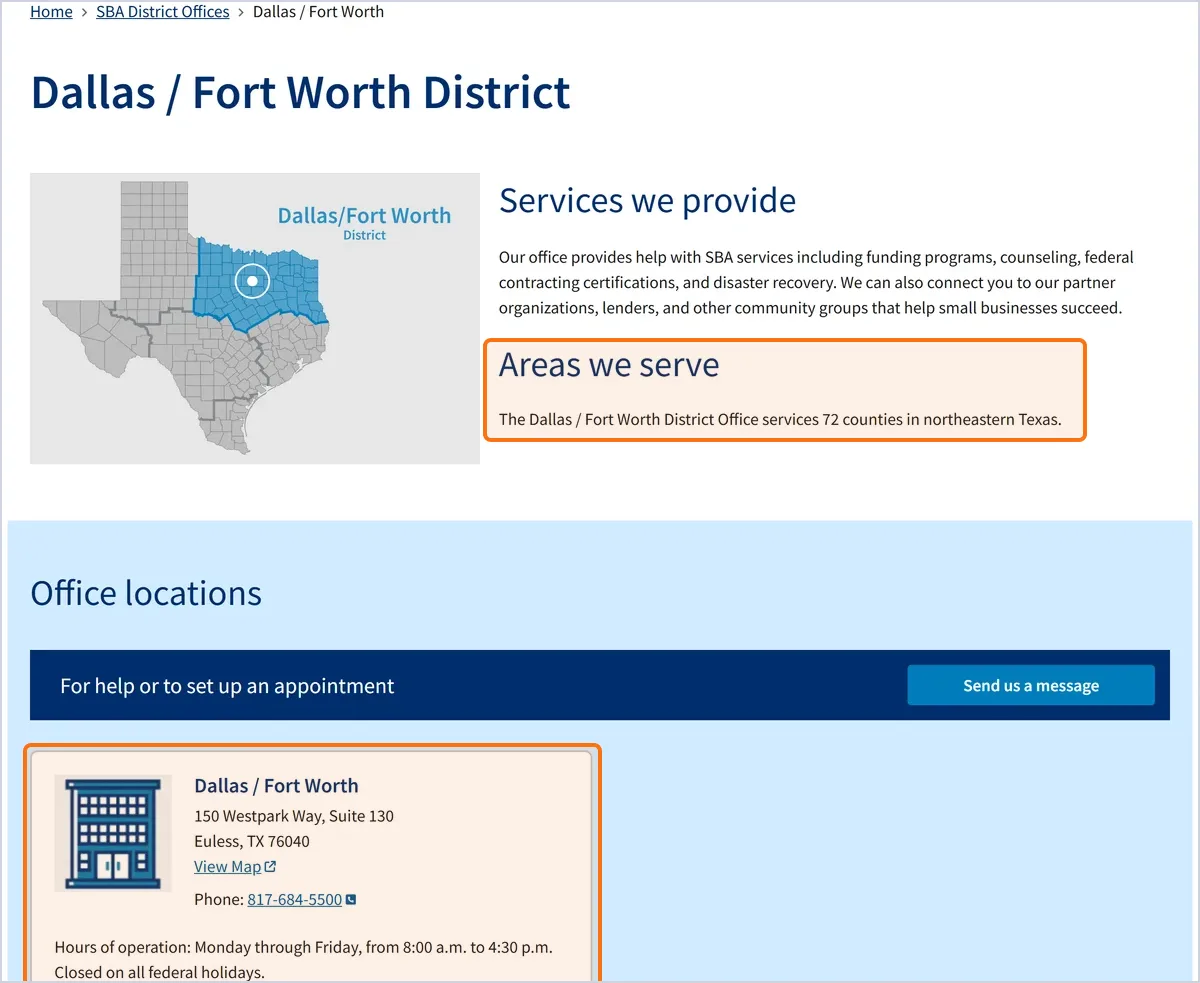
- The SBA Dallas / Fort Worth District Office serves 72 North Texas counties and offers free help.
Securing financing is crucial for small businesses to grow and thrive. Proper funding allows companies to cover operational costs, invest in new opportunities, or manage cash flow. Have you ever wondered which financing options for small businesses are the best for rapid and stable growth?
There are many ways to finance a small business, each with its benefits. Options like crowdfunding, grants, SBA loans, and business credit cards can provide much-needed funds. Did you know that 82% of small businesses fail due to cash flow problems? This fact highlights the importance of finding the right financing solution.
Below you will find a comparison table, the full list of 20+ financing options for small businesses, free help available in Dallas–Fort Worth, and the documents lenders will ask you for. LUCI Financial Solutions is a bookkeeping and controller firm, not a lender: our part is getting your numbers ready.
Small business financing options compared at a glance
Before reading the full list, use this table to narrow it down by what the money is for and how quickly you need it.
| Option | Best used for | Typical speed | What lenders or investors look at |
|---|---|---|---|
| SBA-backed loan | Expansion, buying a business, real estate, longer-term working capital | Weeks to months | Financial statements, tax returns, business plan, owner credit |
| Bank term loan | A defined project or asset with a clear payback | Weeks | Profit history, cash flow, collateral |
| Line of credit | Seasonal dips and timing gaps between paying costs and getting paid | Weeks to set up, then on demand | Bank statements, receivables, financial statements |
| Equipment financing | Vehicles, machines and other equipment | Days to weeks | The equipment itself as collateral, credit |
| Invoice financing | Cash tied up in unpaid customer invoices | Days | The quality of your receivables and customers |
| Microloan | Smaller amounts for startups and small businesses (SBA microloans go up to $50,000) | Weeks | Business plan, credit, sometimes training |
| Business credit card | Short-term purchases you can pay off quickly | Days | Personal and business credit |
| Online lender | Fast working capital when speed matters more than cost | Days | Bank statements and recent revenue |
| Grants and crowdfunding | Specific projects, products or community causes | Months, and competitive | Eligibility and the strength of the story |
| Equity (investors, venture capital) | High-growth companies that can trade ownership for capital | Months | Growth plan, market, financial model |
How to read this table: start with the “Best used for” column, then check speed. If two options fit, compare the total cost, not just the rate: fees, collateral and personal guarantees. The last column tells you what to prepare, and almost every row starts with your financial statements.
Financing Options for Small Businesses You Should Know

This post will explore financing options for small businesses, including crowdfunding, grants, SBA loans, and business credit cards. We’ll explain each option in detail, highlighting their benefits and how to access them.
Stay tuned to discover the best ways to fund your business!
1. Crowdfunding
Crowdfunding raises money by asking many people for small amounts, usually online. Popular platforms include Kickstarter and Indiegogo. In short, you share your product or business idea on a website, and if people like it, they can support it with different amounts. If you reach your funding goal, you get the money to launch your product as soon as possible.
Pros:
- Access to a large audience
- No need to repay funds
Cons:
- Competitive and not specific.
- Fees from the platform
2. Grants
Grants are funds given by federal, state, or private organizations to support businesses. They do not need to be repaid. Look for grants that fit your business type and needs. Websites like Grants.gov and SBA.gov list available grants.
To find the best financing options for small businesses, follow application guidelines carefully to improve your chances. Grant requirements can be different, but they usually depend on the type of business, where it’s located, and why you need the money.
Pros:
- No repayment required
- Can boost credibility
Cons:
- Highly competitive
- Lengthy application process
3. SBA Loans
The Small Business Administration provides SBA loans to help small businesses secure financing. They have cheaper interest rates and give you more time to pay back the money. This makes them one of the best financing options for small businesses.
Types of SBA Loans:
- 7(a) Loans: General-purpose loans for various business needs.
- 504 Loans: Used for purchasing fixed assets like real estate or equipment.
- Microloans: Small loans up to $50,000 for startups and small businesses.
Application Process:
- Create a plan for your business and organize your financial documentation.
- Find a lender approved by the Small Business Administration (SBA).
- Submit your application and the required documents.
- Wait for permission and payment.
Pros:
- Lower interest rates
- Flexible repayment terms
Cons:
- Lengthy approval process
- Extensive paperwork
4. Venture Capital
Next on this list of financing options for small businesses is venture capital, which is funding provided by investors to startups and small businesses with high growth potential. Investors get a share in the company when they give money to invest.
Steps to Attract Venture Capital:
- Create a good plan for your business and practice presenting it to others.
- Connect with firms and investors who provide money for new business ideas.
- Show your business to people who want to give you money.
- Discuss and agree on the details and finish the investment agreement.
Pros:
- Access to significant funding
- Valuable mentorship and business connections
Cons:
- Loss of some control over the business
- Pressure for rapid growth and returns
5. Business Credit Cards

Business credit cards are financing tools for small businesses. They help businesses track their spending and improve their credit scores. They function similarly to personal credit cards but are tailored for business use.
Business credit cards help build business credit, which can help secure future loans. Many cards offer rewards programs, such as cashback, travel points, and discounts on business-related purchases.
How to Choose the Right Card?
Find a card with cheap interest rates, good rewards, and features that match your business needs. Compare the yearly fees, interest rates, and the rewards you can get from the best financing options for small businesses.
Pros:
- Builds business credit
- Offers rewards and benefits
Cons:
- High interest rates if not paid in full
- Annual fees may apply
6. Lines of Credit
A line of credit is a flexible loan that allows businesses to borrow up to a specific limit. Unlike a traditional loan, interest is only paid on the amount used.
Types of Lines of Credit:
- Secured: Supported by something valuable, which can lead to paying less for borrowing money.
- Unsecured: No valuable thing is required, typically higher interest rates.
Pros:
- Flexibility in borrowing
- Only pay interest on the amount used
Cons:
- May have higher interest rates than traditional loans
- Requires a strong credit score to qualify
7. Microloans
Microloans are small loans designed to help startups and small enterprises. They are one of the best financing options for small businesses. They typically range from a few hundred to a few thousand dollars. These loans are often used for working capital, purchasing inventory, or other small business needs.
Several organizations, including Kiva, Accion, and the Small Business Administration (SBA), provide micro-loans. These groups want to help business owners who need help getting a loan from a regular bank.
To get a small loan, you need to make a plan for your business and show your financial information. Submit your application to a microloan provider, and they will review your eligibility. The process is generally faster and more flexible than traditional loans.
Pros:
- Easier approval process
- Flexible use of funds
Cons:
- Higher interest rates compared to traditional loans
- Smaller loan amounts
8. Invoice Financing

Invoice financing allows businesses to borrow money against their outstanding invoices. It helps improve cash flow by providing funds immediately rather than waiting for customers to pay. Furthermore, Invoice financing helps businesses get cash quickly to cover short-term costs and keep money coming in regularly. It’s beneficial for companies that take a long time to get paid.
Pros:
- Quick access to funds
- Improves cash flow
Cons:
- Fees and interest rates can be high
- Dependent on the creditworthiness of customers
9. Credit Unions
Credit unions are banks owned by their customers that give loans to their customers. They usually provide better service that is more tailored to you and has lower interest rates than regular banks.
Moreover, credit unions typically offer lower interest rates, flexible terms, and a focus on member service. They may also provide educational resources and financial counseling to help members manage their finances.
How to Apply?
To apply for a loan from a credit union, you need to become a member. Once you’re a member, you can apply for a loan by providing financial information and completing an application.
Pros:
- Lower interest rates
- Personalized service
Cons:
- Membership required
- Limited availability compared to banks
10. Vendor Financing
Vendor financing allows businesses to purchase goods or services from a vendor with a deferred payment plan. Instead of paying upfront, the business agrees to pay over time. It works similarly to installments.
Vendor financing helps businesses manage cash flow by spreading out payments. It also helps businesses get things they need without paying for them immediately.
Pros:
- Improved cash flow management
- Easier access to essential goods and services
Cons:
- Interest rates may apply
- Reliant on vendor agreement terms
11. Commercial Finance Companies

Commercial finance companies offer businesses different financial services, such as loans, leasing, and factoring. They help businesses manage money, buy equipment, and grow. These companies are not like regular banks. Moreover, they have more straightforward rules for providing loans and can give you money quickly.
When choosing a commercial finance company, consider their reputation, the range of services offered, interest rates, and the terms and conditions of their loans. Find businesses with good reviews and a history of helping companies like yours. Knowing the costs and ensuring they work for your financial situation is also important.
Pros:
- Flexible lending criteria
- Fast access to funds
Cons:
- Higher interest rates than traditional banks
- Potential for hidden fees
12. Equity Financing
Equity financing involves raising capital by selling your company’s shares to investors. This means sharing ownership in return for money. It’s a standard way for startups and growing businesses to secure financing without debt.
Types of Equity Financing:
- Angel Investors: Rich people who give money to new businesses in return for a share of the company.
- Equity Crowdfunding: Collecting a little money from many people, usually using the internet.
Pros:
- No repayment obligation
- Access to valuable expertise and networks
Cons:
- Dilution of ownership
- Potential loss of control over business decisions
13. Bank Loans
Traditional bank loans are a standard financing option for small businesses. Banks offer various loan types, including term loans, lines of credit, and equipment financing. These loans usually have lower interest rates but require a thorough application process.
Prepare a detailed business plan, financial statements, and credit history to apply for a bank loan. Submit these documents to the bank for review. The approval process can take several weeks, and you may need to provide collateral to secure the loan.
Pros:
- Lower interest rates
- Long-term financing options
Cons:
- Lengthy approval process
- Strict eligibility criteria
14. Fundbox
Fundbox is an online financing platform that provides small businesses with credit lines and invoice financing. It’s designed to help businesses improve cash flow and manage short-term funding needs quickly and easily.
Fundbox offers quick approval and flexible credit terms. Companies can receive money the day after applying for it, which makes it a good choice for dealing with urgent financial problems.
How to Apply?
To apply for Fundbox services, sign up online and connect your business accounts. Fundbox will look at the information about your money and then give you a certain amount of credit based on how well your business is doing and the money coming in.
Pros:
- Quick access to funds
- No long-term contracts
Cons:
- Higher fees compared to traditional loans
- Limited to smaller funding amounts
15. Funding Circle
Funding Circle is an online lending platform that connects small businesses with investors willing to provide loans. It’s easy to apply and has low interest rates, so it’s a good choice for businesses that need quick and easy financing.
Funding Circle provides fast access to funds with a straightforward application process. The platform gives reasonable interest rates and options for paying back money that works well for businesses.
Application Process:
- To apply, companies must fill out an online form, provide financial records, and agree to a credit check.
- Funding Circle checks the application and helps the business find people who might want to invest.
- Once approved, you will receive the money in just one week.
Pros:
- Fast and easy application process
- Competitive interest rates
Cons:
- Requires a good credit score
- Not suitable for startups with no financial history
16. National Funding, Inc.
National Funding, Inc. is a financing company that offers a range of funding options for small businesses, including working capital loans, equipment financing, and merchant cash advances. They are famous for approving loans quickly and being easy to work with.
Furthermore, National Funding gives money to help businesses buy things they need or to cover their everyday costs. They cater to various industries and offer personalized services to meet business needs.
Pros:
- Quick approval and funding process
- Flexible repayment terms
Cons:
- Higher interest rates compared to traditional loans
- May require daily or weekly repayments
17. OnDeck
OnDeck is an internet company that lends money as the best financing option for small businesses. They offer loans and lines of credit. They use technology to make borrowing money easier and faster. Moreover, OnDeck provides quick access to capital, often funding within 24 hours. They offer flexible repayment options and cater to businesses with varying credit profiles.
Businesses can apply online by providing essential information and financial documents. OnDeck uses unique technology to check applications and quickly decide if a loan can be approved.
Pros:
- Fast funding process
- Flexible repayment options
Cons:
- Higher interest rates for lower credit scores
- Shorter repayment terms
18. Online Lenders
Online lenders give you another way to borrow money instead of going to a regular bank. They have different types of loans that you can apply for on the internet. These lenders use technology to assess applications quickly and provide fast funding.
The advantages of this loan include a fast and easy application process, quick funding, and flexible repayment options. However, the dangers involve paying more in interest and the chance of being cheated. It’s crucial to look into different lenders and pick ones that you can trust.
How to Choose the Right Lender?
Look for lenders with good reputations, transparent terms, and positive customer reviews. Compare interest rates, fees, and repayment terms to find the best financing options for small businesses.
Pros:
- Quick and easy application process
- Fast access to funds
Cons:
- Higher interest rates
- Risk of fraudulent lenders
19. Equipment Financing

Equipment financing is a loan used specifically to purchase business equipment. The equipment is collateral for the loan, making it easier to secure financing.
This type of financing allows businesses to acquire necessary equipment without paying the total cost upfront. In short, it helps control the money coming in and out and ensures the company has what it needs to run well.
Application Process:
To apply, businesses must provide details about the equipment, financial statements, and credit history. The lender reviews the application and, if accepted, gives the money to buy the equipment.
Pros:
- Keeps cash flow steady
- The equipment acts as collateral
Cons:
- It can be expensive with interest
- Risk of losing equipment if unable to repay
20. Traditional Loans
Traditional loans from banks include term loans, lines of credit, and personal loans. They are often used for various enterprise needs and are one of the best financing options for small businesses. Traditional loans offer larger amounts and lower interest rates. However, you need to have good credit, and it can take a long time to get approved.
Application Process:
The process involves submitting a business plan, financial documents, and credit history. Approval can take several weeks.
Pros:
- Larger loan amounts
- Lower interest rates
Cons:
- Strict eligibility requirements
- Lengthy application process
21. Debt Funding
Debt funding involves borrowing money to be repaid with interest. This can include bonds, debentures, and loans.
Types of Debt Funding:
- Bonds: Bonds are IOUs from companies or governments that they promise to pay back in the future.
- Debentures: Loans not backed by collateral are determined by the borrower’s ability to repay.
Pros:
- Retain full ownership of the business
- Fixed repayment schedule
Cons:
- The requirement to pay back the money with extra charges
- Can strain cash flow
22. Family & Friends
Are you still looking for efficient financing options for small businesses?
Borrowing money from family and friends could be an option. This can change a lot but can make relationships harder. The terms are usually more favorable, but there’s a risk of damaging relationships if the loan isn’t repaid. Set clear terms and create a formal agreement. Communicate openly about the repayment plan to avoid misunderstandings.
Pros:
- Flexible terms
- Potentially lower interest rates
Cons:
- Risk to personal relationships
- Informal agreements can lead to misunderstandings
23. Auto Loans
Auto loans are used to finance the purchase of vehicles for business use. The car itself serves as collateral. On this list of the best financing options for small businesses, Auto loans let companies buy vehicles without paying all the money at once, so they can keep their cash flow.
Businesses must provide financial statements, credit history, and details about the vehicle. Approval is generally quicker than other types of loans.
Pros:
- Keeps cash flow steady
- Quick approval process
Cons:
- The vehicle serves as collateral
- Interest adds to the overall cost
Free help with financing in Dallas–Fort Worth
Before you pay a broker or sign with a fast online lender, use the free help in North Texas. The SBA’s Dallas / Fort Worth District Office provides help with SBA funding programs, counseling, federal contracting certifications and disaster recovery, and can connect you with partner organizations and lenders. On the SBA website you can also use Lender Match to be matched with lenders that make SBA-backed loans.
What lenders will ask to see from your books
Whatever option you choose, the application runs on your numbers. Have these ready, and make sure they agree with each other:
- Profit and loss statement and balance sheet for the year to date and the last two or three years.
- Business tax returns for the same years, matching the statements.
- Bank statements for the last few months, reconciled to the books.
- A debt schedule: every loan, card and lease with its balance and payment.
- An accounts receivable aging, especially for a line of credit or invoice financing.
- A cash flow forecast showing how you will repay. Our guide to the 13-week cash flow forecast shows how to build one.
If your statements are months behind or do not tie to your tax returns, fix that first: a lender who finds gaps will slow down or decline. See the monthly reports your bookkeeper should send you and why a business can be profitable but short on cash.
How LUCI helps Dallas business owners get loan-ready
We are a Dallas–Fort Worth bookkeeping and controller firm working in QuickBooks Online. For owners preparing to borrow, we clean up and catch up the books, close every month, and deliver financial statements you can hand to a lender. When the decision is bigger, such as how much to borrow and whether the business can carry the payment, our fractional CFO services add the forecast and the analysis. We do not lend money or arrange loans.
Frequently asked questions
What is the easiest financing option for a small business?
Business credit cards and online lenders are usually the fastest to get, but they cost more. Lines of credit and SBA-backed loans take longer and ask for more documents, and they are usually cheaper over time. The easiest option is the one whose paperwork your books can already support.
Where can a Dallas small business get free help with financing?
The SBA Dallas / Fort Worth District Office provides help with SBA funding programs and counseling and can connect you with partner organizations and lenders. Its office is at 150 Westpark Way, Suite 130, in Euless, and it serves 72 counties in North Texas.
What financial documents do lenders ask small businesses for?
Most ask for a profit and loss statement and balance sheet (year to date and prior years), business tax returns, recent bank statements, a list of existing debts and often an accounts receivable aging. SBA loans may also need a business plan and projections.
How much can an SBA microloan be?
SBA microloans go up to $50,000 and are made through nonprofit intermediary lenders. They are meant for small businesses and some not-for-profit childcare centers.
Can a bookkeeper help me get a business loan?
A bookkeeper cannot approve or arrange a loan, but clean, reconciled books and accurate financial statements are what a lender reviews first. LUCI Financial Solutions prepares those statements and, through fractional CFO work, the cash flow forecast a lender may ask for.
In Conclusion:
In this post, we looked at financing options for small businesses to obtain funding, like loans, credit cards, crowdfunding, and selling ownership shares. Each choice has good things and hard things about it. Choose the best one based on your business needs.
To get your books and financial statements ready before you apply, schedule a consultation with LUCI Financial Solutions or call 214-233-5454.
Get your numbers lender-ready
Clean, reconciled books and reviewed financial statements make every financing option on this list easier to get. LUCI Financial Solutions does that work for Dallas–Fort Worth businesses every month.